So, you've got a patch of land on your Hayward property that's gotten a bit wild. Maybe it's overgrown with brush, small trees, or just a jungle of weeds. You're thinking, 'I can clear that myself, right?' Well, sometimes you can, and sometimes, you really, really shouldn't. Lot clearing isn't just about hacking away; it's about planning, safety, and knowing your limits.
Before You Start: The Planning Stage
This is where most folks skip steps, and that's a mistake. Before you even think about buying or renting equipment, you need to ask yourself a few questions. First, what's your goal? Are you just tidying up a small corner, or are you trying to clear a substantial area for a new garden, an ADU, or even just better fire safety? The scope of the project dictates everything.
Next, you've got to understand what you're dealing with. Are we talking about a few thorny bushes and some tall grass, or are there mature trees, dense thickets of ivy, or even old, rotted stumps? Identifying the type and size of vegetation is crucial. If you've got anything over, say, 8-10 inches in diameter, or anything that looks like it could fall on your house or a neighbor's, that's usually a red flag for DIY.
Another big one: permits. Don't assume you can just clear whatever you want. Hayward, like most cities, has rules about tree removal, especially for larger or protected species. You don't want to get hit with a hefty fine because you took down a heritage oak without permission. Always check with the city's planning department first. It's a quick call or a visit to their website, and it can save you a ton of headaches.
Finally, think about utilities. Are there power lines running overhead or buried cables? Call 811 before you dig or do anything that might impact underground lines. It's free, and it prevents serious accidents.
During the Project: DIY vs. Pro
Alright, you've planned it out. Now, what can you actually do yourself? For smaller jobs, like clearing out light brush, weeds, and small saplings (under 4-6 inches in diameter), you can absolutely tackle it. Here's what you'll need:
- Good quality work gloves, eye protection, and sturdy boots.
- A good pair of loppers for branches up to 2 inches.
- A bow saw or hand saw for slightly larger branches or small trunks.
- A weed eater or brush cutter for tall grass and light undergrowth.
- A wheelbarrow or tarp for hauling debris.
Take your time. Don't rush. And always, always prioritize safety. Make sure you have a clear escape path if you're cutting something that might shift or fall. Keep others, especially kids and pets, well away from your work area.
Now, when do you call in the pros? Pretty much anytime you feel even a little bit out of your depth. Here are some clear indicators:
- Large Trees: Anything over 8-10 inches in diameter, especially if it's close to a structure or power lines. This isn't just about cutting it down; it's about felling it safely, which requires specialized training and equipment.
- Dense Undergrowth with Hidden Hazards: Sometimes, what looks like simple brush is hiding old fences, rocks, or even abandoned machinery. A professional crew can assess this safely.
- Steep Slopes or Uneven Terrain: Working on hillsides, common in some of Hayward's older neighborhoods, adds a whole new layer of danger. Heavy equipment needs stable ground, and even hand tools can be treacherous if you lose your footing.
- Stump Removal: While you can rent a stump grinder, they're powerful machines that need careful handling. For large, deep stumps, a professional is usually more efficient and safer.
- Time Constraints: If you need a large area cleared quickly, a professional crew with the right equipment can do in days what might take you weeks.
We see a lot of DIY attempts go sideways. People underestimate the weight of wood, the kickback from a chainsaw, or the sheer volume of debris. At Classic Tree, we've got the heavy equipment, the training, and the insurance to handle those big, tricky jobs safely and efficiently. We've cleared everything from small residential lots to larger commercial parcels, dealing with everything from invasive acacia to stubborn eucalyptus.
After the Clearing: What's Next?
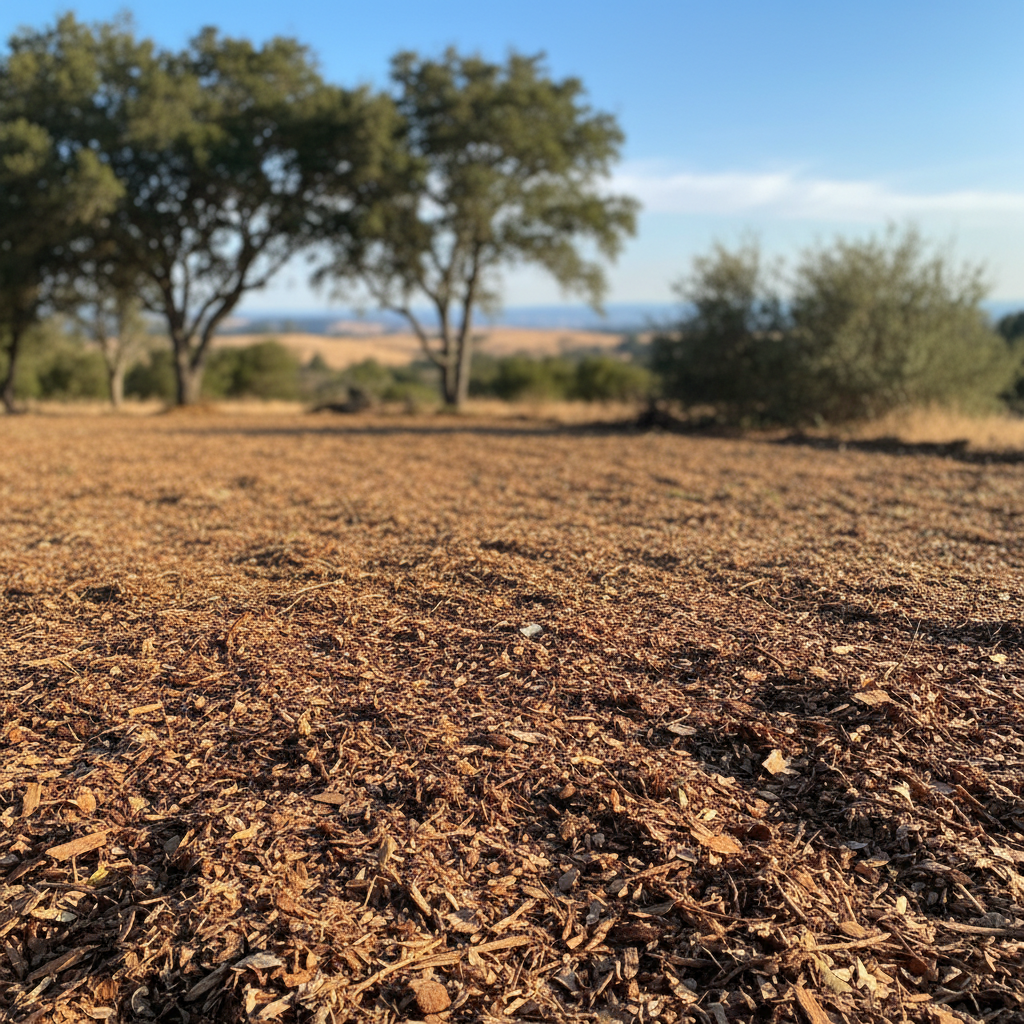
Once the land is cleared, you're not quite done. You'll have a lot of debris to deal with. For smaller amounts, you might be able to bag it for green waste collection or compost it if you have the space. For larger projects, you'll need a plan for disposal. This could mean renting a dumpster, hiring a hauling service, or having the clearing company chip the material on-site. Chipping is great because you can often use the wood chips for landscaping or erosion control.
Then, think about what you want to do with the cleared land. If you're planning to build, you'll need to prepare the soil. If it's for a garden, you might need to amend it. If you're just trying to keep it clear, consider laying down some weed barrier or planting ground cover to prevent new growth from taking over too quickly. Without a plan, that cleared lot will be a jungle again before you know it.
Lot clearing can be a big job, but with careful planning and an honest assessment of your capabilities, you can get it done right. Don't be afraid to ask for help when you need it; that's what we're here for.