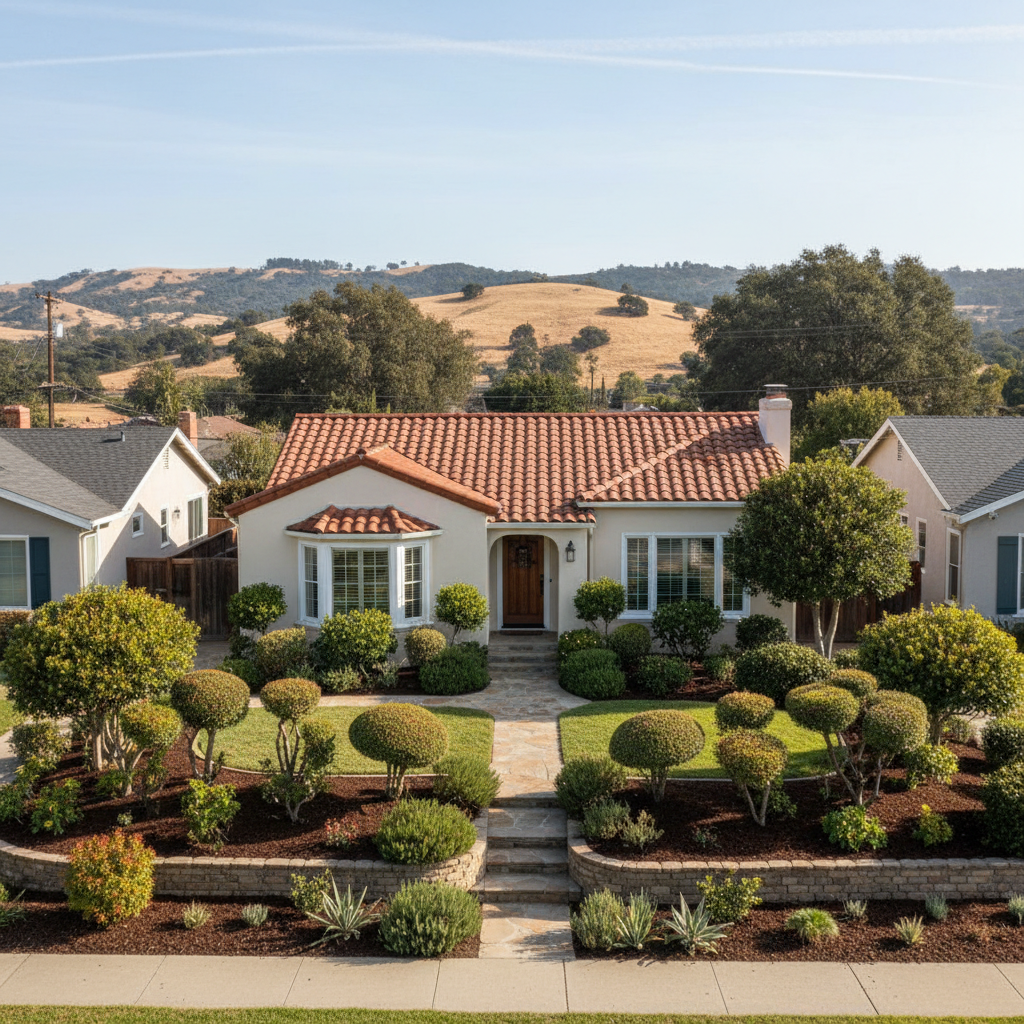
Your shrubs and bushes are a big part of your home's curb appeal, right? But keeping them looking good, especially here in Hayward, isn't always as simple as just grabbing a pair of shears. There's a lot more to it than people think, and doing it right can save you headaches and money down the line.
Why Local Expertise Matters for Your Hayward Shrubs
I've been working on Hayward yards for years, and one thing I've learned is that our local environment plays a huge role in how your shrubs grow and what they need. We've got that unique Bay Area climate – cool, foggy mornings often giving way to warm, sunny afternoons. This means certain plants thrive, and others struggle if they're not cared for properly.
Take the soil, for instance. A lot of folks in the Hayward Hills, especially in those older neighborhoods with established gardens, have heavier clay soils. This impacts drainage and nutrient availability, which in turn affects how vigorously your shrubs grow. If you're trimming a plant that's already stressed from poor drainage, you need to be extra careful not to over-trim or trim at the wrong time of year. It's not just about cutting; it's about understanding the plant's health and its environment.
Then there's the wind. We get some pretty strong gusts coming off the Bay, especially in the spring. If you have tall, leggy shrubs, they can get battered and broken. Proper trimming can help create a stronger, more compact plant that can stand up to those winds better. It's about shaping for resilience, not just aesthetics.
Common Trimming Projects I See Around Here
I see a lot of the same issues and projects come up again and again for folks in Hayward. Here are a few:
- Overgrown Foundation Plantings: This is probably the most common one. Those nice little shrubs you planted years ago by the front of your house? They've probably turned into monsters blocking windows and touching the siding. We get them back in shape, making sure they're not inviting moisture or pests too close to your home.
- Hedge Maintenance: Whether it's a formal hedge along a property line or a row of privacy shrubs, keeping them neat and tidy takes consistent work. If you let them go too long, they get woody and sparse, and it's much harder to bring them back.
- Flowering Shrub Pruning: Everyone loves a good bloom, but if you prune at the wrong time, you'll cut off all the flower buds for next year. Knowing when your specific shrubs flower is key. For example, some hydrangeas bloom on old wood, others on new. You gotta know the difference.
- Clearing Walkways and Driveways: Bushes that start to creep over paths or block visibility for cars pulling out of driveways are a safety hazard. We make sure everything is clear and accessible.
It's not just about making things look good today. When Classic Tree trims your shrubs, we're thinking about the long-term health of the plant and how it fits into your landscape for years to come.
The Difference Between a Quick Chop and Proper Trimming
Anyone can take a hedge trimmer and buzz everything into a perfect square. But that's not always good for the plant. That kind of shearing can lead to a dense outer layer of foliage, but the inside gets starved for light and air. This makes the plant weaker and more susceptible to disease and pests.
What we do is more about selective pruning – removing dead or diseased branches, thinning out crowded areas, and shaping the plant to encourage healthy growth and good air circulation. It takes more time and a bit more skill, but the results are a healthier, more beautiful plant that will last longer.
Plus, there's the timing. Trimming deciduous shrubs in late winter or early spring when they're dormant is often best for vigorous growth. But evergreens might need a different schedule. And if you've got something like a rhododendron or azalea, you definitely want to prune after they finish flowering, or you'll miss out on next year's show.
So, if your shrubs are looking a little wild, or if you're just not sure when or how to tackle them, give us a call. We're here in Hayward, and we know our local plants. We can help you keep your yard looking its best, year after year.