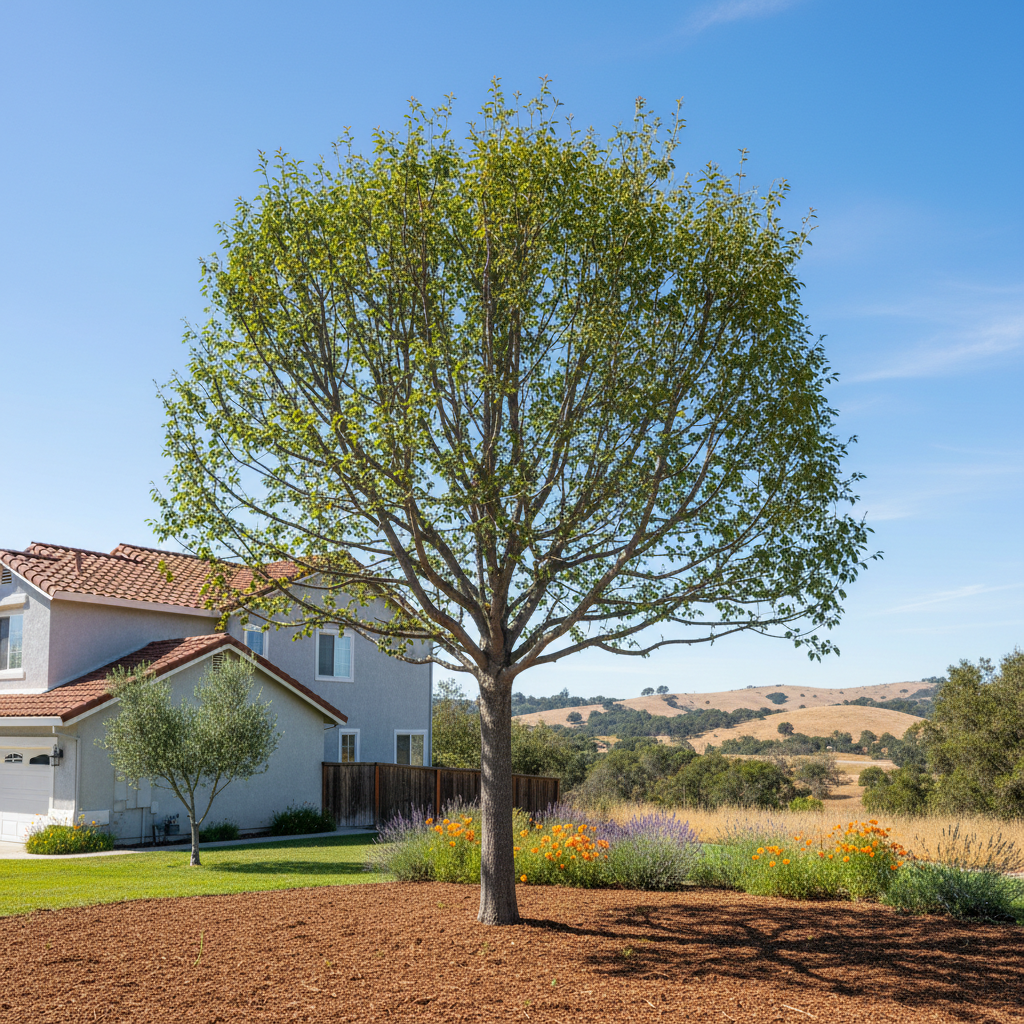
So, you just had your trees pruned, maybe by us here at Classic Tree, or another local pro. Great! That's a solid investment in your property's health and safety. But pruning isn't a one-and-done deal. To really get the most out of that work and keep your trees thriving, you've got to think about what comes next. It's like getting your car serviced; you don't just drive it until it breaks down again, right?
Extending the Life of Your Pruning Investment
The whole point of good pruning is to encourage healthy growth, improve structure, and remove dead or diseased wood. To keep those benefits going, you're mostly looking at good general tree care. After a professional prune, your trees are often in a better position to handle the stresses of our Hayward climate, like those dry summers or the occasional strong winds coming off the Bay. What you want to do is support that health.
- Water Wisely: Especially for younger trees or during extended dry spells, deep watering is crucial. Don't just sprinkle; let the water soak down to the root zone. Our clay soils here in Hayward can hold water well, but they can also get rock-hard, so slow, deep watering is key to prevent runoff and ensure absorption.
- Mulch It Up: A good layer of organic mulch (like wood chips) around the base of your tree, but not touching the trunk, does wonders. It helps retain soil moisture, regulates soil temperature, and suppresses weeds that compete for nutrients.
- Don't Over-Fertilize: Most mature trees in good soil don't need much fertilizer. If you do fertilize, get a soil test first. Too much can do more harm than good, encouraging weak, rapid growth that's prone to disease or breakage.
Think of it as setting your tree up for success. A well-pruned tree, combined with good basic care, is much more resilient.
Regular Maintenance: What to Look For
Between professional prunings, which typically happen every 3-5 years for mature trees (or annually for younger, developing trees), you should still keep an eye on things. This isn't about you climbing up there with a chainsaw, but rather observing from the ground.
- New Dead Branches: Look for branches that didn't leaf out in spring or have brittle, bare twigs. Dead wood is a hazard and a potential entry point for pests and diseases.
- Crossing or Rubbing Branches: Sometimes new growth can start rubbing against another branch. This creates wounds that can weaken the tree.
- Suckers and Water Sprouts: These are those fast-growing, often vertical shoots that pop up from the base of the tree (suckers) or along the main branches (water sprouts). They don't contribute to the tree's structure and just suck energy. You can usually snip these off yourself with hand pruners when they're small.
- Clearance Issues: Are branches growing too close to your house, power lines, or blocking pathways? Keep an eye on these for safety and convenience.
A quick walk around your property once a month, especially after a storm, can tell you a lot.
Warning Signs That Something's Wrong
Your trees are pretty good at telling you when they're not happy. You just need to know how to listen.
- Sudden Leaf Drop or Discoloration: If leaves are turning yellow or brown prematurely, or dropping off en masse, that's a red flag.
- Fungus or Mushrooms on the Trunk/Branches: This often indicates internal decay.
- Cracks or Splits in the Trunk or Major Branches: These are serious structural issues that need immediate attention.
- Excessive Leaning: If a tree starts to lean noticeably, especially after a storm or a period of heavy rain, its root system might be compromised. This is particularly concerning if you're on one of those hillside properties around Hayward where soil stability can be a factor.
- Pest Infestations: Holes in leaves, sawdust-like material, or visible insects can all signal a problem.
- Cankers or Swollen Areas: These can be signs of disease or pest activity.
Don't ignore these signs. A small problem caught early is usually much easier and cheaper to fix than a major one.
When to Call a Professional
You don't need to be an arborist, but you do need to know when to bring one in. Here's when to pick up the phone:
- Anytime you're unsure: If you see something that worries you and you don't know what it is, get an expert opinion.
- Large Branch Removal: If a branch is thicker than your wrist, or if you need to use a ladder, it's time for a pro. This is dangerous work, and improper cuts can seriously damage your tree.
- Tree Health Concerns: If you suspect disease, pest infestation, or structural issues, a certified arborist can diagnose the problem and recommend treatment.
- Clearance from Power Lines: Never, ever try to prune near power lines yourself. Call the utility company or a professional tree service that's qualified to work around them.
- Pre-Storm Assessment: Before our winter storm season really kicks in, it's smart to have an arborist check for weak limbs that could become hazards.
- Regular Pruning Cycle: Stick to that 3-5 year cycle for mature trees to maintain their health and structure.
Your trees are a valuable asset to your property and our local environment. Taking care of them isn't just about aesthetics; it's about safety, property value, and contributing to a healthier Hayward. We're always here if you need a hand or just have a question about what you're seeing in your yard.