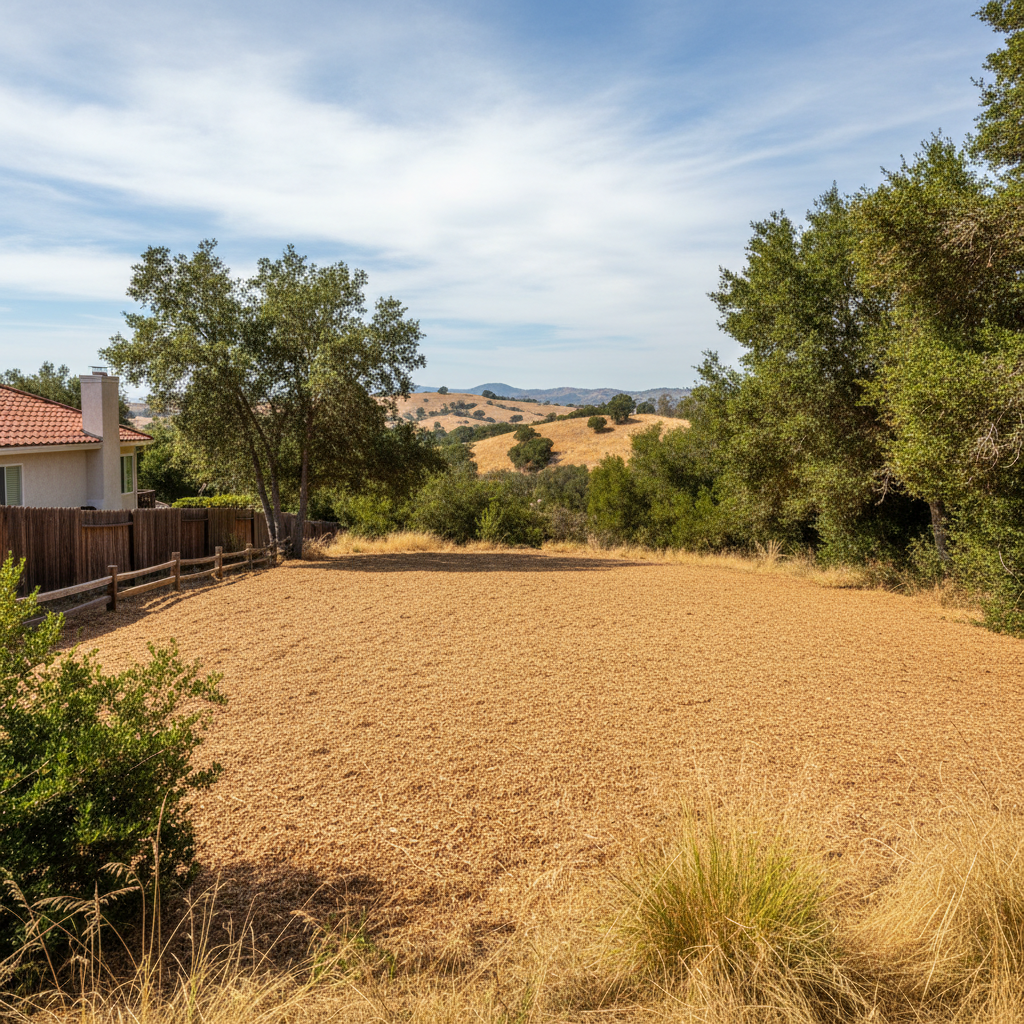
So, you've had your land cleared, maybe for a new build, fire safety, or just to reclaim some overgrown space. That's a big step, and it makes a huge difference. But here's the thing: nature doesn't just stop. Especially here in Hayward, with our mild winters and dry summers, things can grow back fast if you're not on top of it. You want that investment to last, right?
Extending the Life of Your Land Clearing Work
The best way to make sure your cleared land stays clear is to think long-term from the start. When we at Classic Tree do a clearing job, we're not just hacking things down; we're considering what's going to come back. Stump grinding, for example, is crucial. If you leave stumps, they'll often resprout, especially eucalyptus or certain types of oak that are common around the hills of Hayward. Grinding them out removes that base for regrowth.
Another key is proper grading and erosion control. If you've got bare soil after clearing, especially on a slope, our winter rains can wash it away, creating channels and exposing roots that can then resprout. We often recommend hydroseeding or planting native groundcovers. These help stabilize the soil, prevent erosion, and can also outcompete aggressive weeds.
What Regular Maintenance Looks Like
Think of it like keeping your house clean; it's easier to do a little bit often than a massive deep clean once a year. For cleared land, regular maintenance means:
- Weed Control: This is probably your biggest battle. Weeds will be the first to colonize bare ground. Hand-pulling small weeds is effective, especially after a rain when the soil is soft. For larger areas, consider targeted herbicide application (always follow instructions carefully) or laying down landscape fabric if you're planning to plant.
- Monitoring for Sprouts: Walk your property regularly, maybe once a month during the growing season. Look for new shoots coming up from old root systems or stumps that weren't fully removed. Nip these in the bud – literally. Cut them back as soon as you see them.
- Debris Removal: Small branches, leaves, and other organic matter will accumulate. If left, this can create fuel for fires (a big concern in our area) and provide a nice bed for new weeds to take root. Rake it up, chip it, or compost it.
- Irrigation Checks: If you've planted new groundcover or trees, make sure your irrigation system is working efficiently. Overwatering can encourage weeds, while underwatering can stress your desired plants.
Warning Signs of Problems
You don't need to be an arborist to spot trouble. Here are some things to keep an eye out for:
- Rapid Regrowth: If you see a significant amount of new growth, especially woody plants, popping up quickly, it means your initial clearing might not have been thorough enough, or your maintenance routine needs to be stepped up.
- Erosion: Look for ruts, gullies, or exposed roots, especially after heavy rains. This indicates soil instability and could lead to bigger issues down the line.
- Pest Infestations: Cleared land can sometimes attract different pests if there's dead wood left or if new plantings are stressed. Keep an eye out for unusual insect activity or signs of disease on any remaining or newly planted vegetation.
- Unusual Plant Growth: Sometimes invasive species can take hold. For example, some parts of Hayward have issues with things like Arundo donax (giant reed) or various types of broom. These can spread aggressively and are tough to get rid of once established.
When to Call a Professional
Look, you can do a lot of this yourself, and I encourage it. But there are times when you really should bring in the pros. If you're seeing:
- Extensive Regrowth: If the area is getting re-overgrown faster than you can manage, or if large woody plants are coming back strong, it's time for a professional re-clearing.
- Significant Erosion: If you've got serious gully formation or large areas of soil washing away, you likely need professional grading and potentially more robust erosion control measures than you can do with a shovel and a bag of seeds.
- Large or Dangerous Trees/Stumps: If a large tree or stump was missed, or if a new one has grown to a size that's beyond your comfort or skill level to remove safely, call us. We've got the equipment and expertise to handle it without you risking an injury or property damage.
- Invasive Species Outbreaks: Some invasive plants require specialized removal techniques or herbicides. Don't mess around with these; they can quickly take over your entire property and even spread to neighbors.
- Fire Safety Concerns: If you're in a high-fire-risk zone and can't keep up with fuel reduction, bring in a professional. Your safety and your neighbors' safety depend on it.
Keeping your land clear isn't a one-and-done deal, but with a little effort, you can maintain that beautiful, usable space you worked so hard to create. If you ever have questions or need a hand, you know who to call.