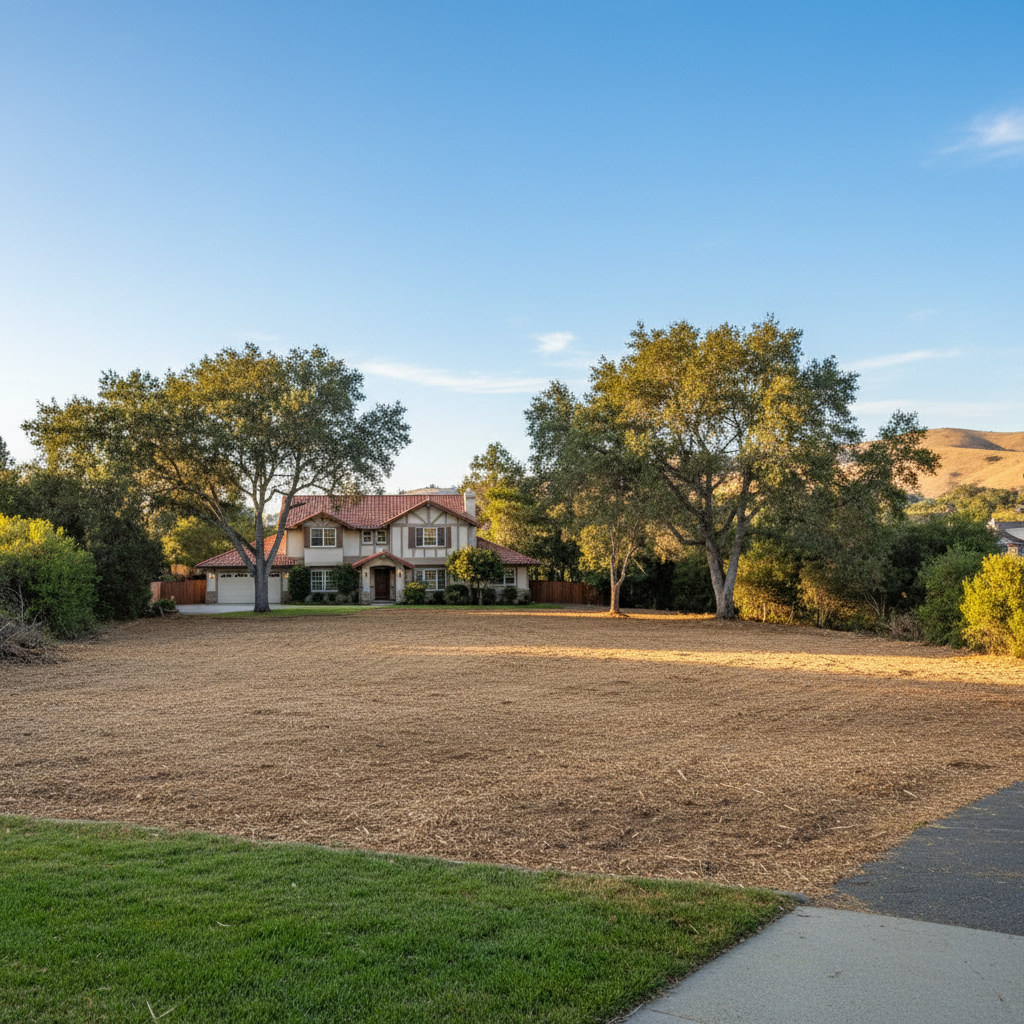
So, you've had your land cleared. Maybe it was for a new build, fire prevention, or just to reclaim some usable space on your property. Whatever the reason, that initial clearing is just the first step. If you want that open, clean look to last, you've got to put in a little work. I've seen too many folks think the job's done once the heavy machinery leaves, only to find themselves battling brush and weeds again a year or two later. That's why I put together this guide – to help you protect your investment and keep your Hayward property looking good.
Extending the Life of Your Land Clearing
The key to making your land clearing last is understanding what causes regrowth and getting ahead of it. California's climate, especially here in the East Bay, is a double-edged sword. We get those long, dry summers that can make things look dormant, but as soon as the rains hit, everything explodes. You've got to be proactive.
First off, consider what was cleared. If it was mostly brush and small trees, you're going to deal with seeds and dormant roots. Larger trees usually mean less immediate regrowth from the same spot, but new saplings can pop up from seeds carried by wind or animals. One thing I always tell people is to think about erosion, especially on sloped properties common in areas like the Hayward hills. Clearing can expose soil, and our winter rains can wash it away quickly. Consider planting native, slow-growing ground cover or using mulch to stabilize the soil and suppress weeds.
Another big factor is sunlight. Once you open up an area, more sunlight hits the ground, which can encourage new growth. It's a natural cycle, and you're essentially managing it.
Regular Maintenance: What You Should Be Doing
This isn't about bringing in a bulldozer every year. It's about consistent, smaller efforts. Think of it like yard work, but on a larger scale. Here's what I recommend:
- Seasonal Walk-Throughs: Do a thorough inspection of your cleared area at least twice a year. Once in late spring/early summer, and again in the fall before the heavy rains. Look for new sprouts, invasive weeds, and any signs of erosion.
- Weed Control: This is probably your biggest battle. Small weeds and saplings are easy to pull by hand or hit with a weed whacker. Don't let them get established. If you have a larger area, a backpack sprayer with an appropriate herbicide (always follow instructions!) can be effective, especially on stubborn invasives.
- Brush Cutting: For areas that tend to grow back quickly with brush, a yearly or bi-yearly brush cutting with a heavy-duty trimmer or even a tractor-mounted flail mower (if your property allows) can keep things in check. This is particularly important for fire safety in the dry months.
- Mulching: If you didn't mulch immediately after clearing, consider adding a layer of wood chips. It suppresses weeds, retains moisture, and slowly breaks down to improve soil health. Just make sure it's not piled up against any structures.
- Drainage Checks: After heavy rains, walk your property to ensure water is flowing away from structures and not pooling in cleared areas, which can lead to erosion or encourage unwanted plant growth.
Warning Signs of Trouble
You don't want to wait until you're back to square one. Keep an eye out for these red flags:
- Rapid Regrowth: If you see a significant amount of new brush or saplings popping up across a large section of your cleared land within a few months, you've got a problem brewing.
- Invasive Species Taking Over: Look for plants that seem to be outcompeting everything else. Things like Scotch broom or Tree of Heaven can quickly dominate an area if not addressed early.
- Erosion Channels: Visible ruts or gullies forming on slopes after rain indicate that your soil isn't stable. This can undermine foundations or cause landslides if left unchecked.
- Pest Infestations: Cleared land can still attract pests, especially if there are old stumps or debris piles left behind. Look for signs of termites, rodents, or other critters making a home where you don't want them.
When to Call a Professional
Look, I'm a big believer in homeowners doing what they can, but there are times when you need to bring in the pros. Don't be afraid to pick up the phone. Here's when I'd say it's time:
- Overwhelming Regrowth: If the regrowth is too dense or widespread for you to handle with your regular tools and time, it's smarter to get a crew in. We've got the equipment and manpower to knock it back efficiently.
- Large Tree or Stump Removal: If new trees are growing where you don't want them, or old stumps are causing issues, it's a job for a professional. Trying to fell a tree yourself or grind a large stump without the right gear is dangerous.
- Erosion Control Beyond Simple Mulching: If you're seeing significant erosion, you might need more than just mulch. We can assess the situation and recommend solutions like retaining walls, terracing, or specialized planting that requires expertise.
- Hazardous Material: Sometimes, clearing reveals old construction debris, hazardous waste, or other materials that require specialized handling. Don't risk it; call in the experts.
- Fire Prevention Compliance: If you're in a high-fire-risk zone, like many parts of Hayward, and you're struggling to meet defensible space requirements, a professional company like Classic Tree can help you get compliant and stay safe. We know the local regulations and what it takes.
- You Just Don't Have the Time or Equipment: Let's be honest, not everyone has a tractor or wants to spend their weekends battling brush. If you value your time and peace of mind, hiring a professional for annual or bi-annual maintenance is a smart investment.
Keeping your cleared land clear is an ongoing process, not a one-time event. But with a little attention and knowing when to call for backup, you can enjoy your open space for years to come.