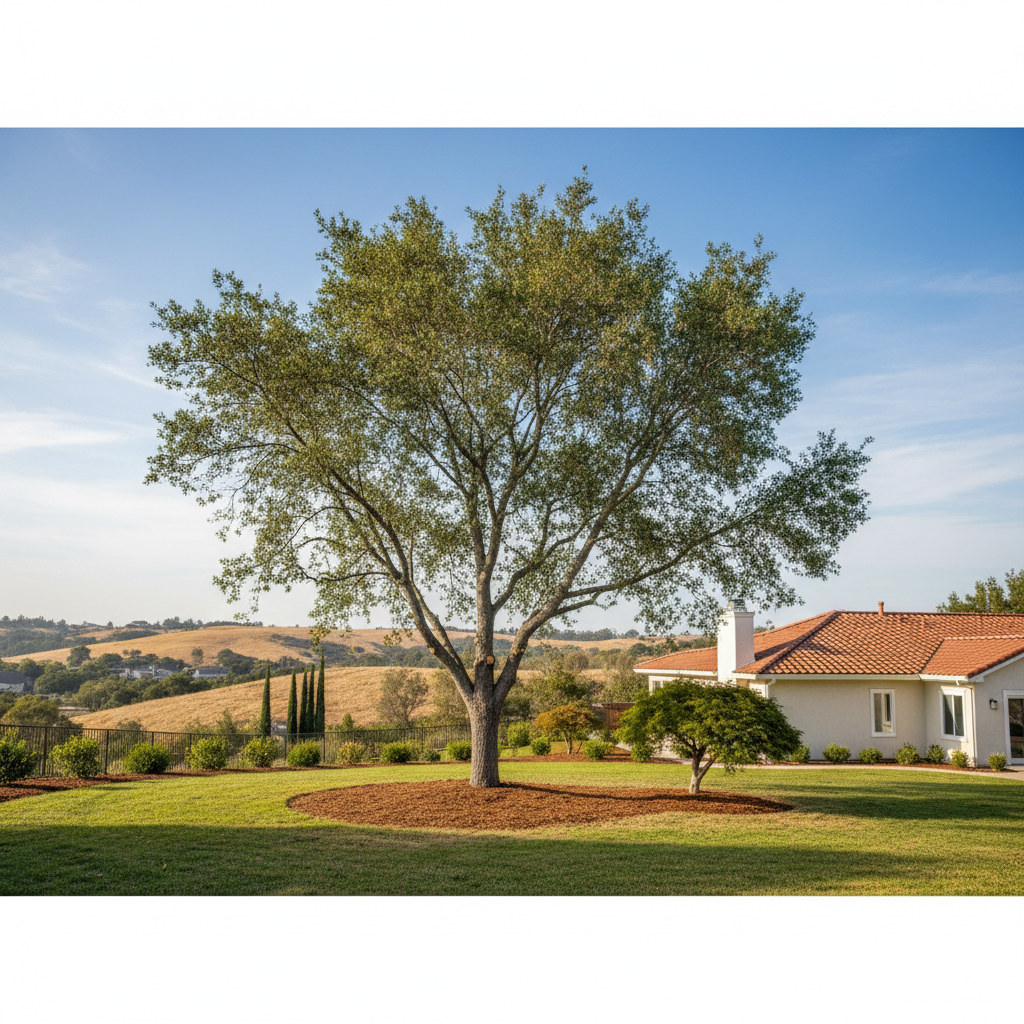
You've got trees in your yard, and you probably want them to look good and stay healthy for years to come. That's a smart goal. A well-maintained tree isn't just pretty; it adds value to your property, provides shade, and can even help cool your home during those hot Hayward summers. But trees aren't set-it-and-forget-it landscaping. They need care, especially here in California with our unique climate challenges.
Extending the Life of Your Trees
Think of tree care as an investment. The better you maintain them, the longer they'll thrive. For starters, proper planting is crucial. If you're putting in a new tree, make sure it's the right species for our area and that it's planted at the correct depth. I've seen too many trees struggling because they were planted too deep or too shallow, choking their root flare. After that, it's all about consistent, thoughtful care.
Watering is key, especially for young trees or during dry spells. We get a lot of sun, and while many mature trees are drought-tolerant once established, they still appreciate a deep drink when the rains aren't coming. Don't just sprinkle; you want to get water down to the root zone. Mulching around the base of the tree (but not touching the trunk) helps retain moisture and regulate soil temperature, which is a big plus for root health.
What Regular Tree Maintenance Looks Like
Regular maintenance isn't just about reacting to problems; it's about prevention. Here’s what you should be doing:
- Pruning: This is probably the most important regular task. You're not just hacking away; you're removing dead, diseased, or damaged branches. You're also shaping the tree for good structure, improving air circulation, and sometimes even encouraging fruit production. For young trees, structural pruning sets them up for a strong future. For mature trees, it's about maintaining health and safety.
- Watering: As I mentioned, deep watering is essential. Pay attention to the weather. If we've had a long dry spell, even established trees might need supplemental watering.
- Pest and Disease Monitoring: Walk around your trees regularly. Look for anything out of the ordinary – strange spots on leaves, holes in the bark, wilting, or unusual growths. Catching these early can make a huge difference.
- Soil Health: Our clay soils in areas like the Hayward hills can be tough. Adding organic matter through mulching helps improve drainage and nutrient availability.
Warning Signs Your Tree Might Be in Trouble
Your trees often tell you when something's wrong, if you know what to look for. Don't ignore these signals:
- Discolored or Wilting Leaves: Leaves that are yellowing, browning, or dropping prematurely can indicate stress, disease, or pest infestation.
- Dead Branches: A few dead twigs are normal, but large dead branches or significant dieback in the canopy is a serious concern. They can be a hazard and a sign of deeper issues.
- Fungal Growths: Mushrooms or other fungi growing on the trunk or at the base of the tree can mean internal decay.
- Cracks or Splits in the Trunk/Branches: These compromise the tree's structural integrity and can lead to limb failure.
- Pest Evidence: Look for holes in leaves, sawdust near the trunk, webs, or visible insects.
- Leaning: If a tree starts leaning suddenly, especially after a storm, its root system might be compromised.
- Root Damage: Exposed or girdling roots can choke a tree. Construction nearby can also damage roots, leading to decline.
When to Call a Professional
You can handle basic watering and observation, but some jobs are definitely for the pros. Don't try to tackle these yourself:
- Large Pruning Jobs: If a branch is bigger than a few inches in diameter, or if it requires climbing, you need an arborist. Improper cuts can do more harm than good, and working at height is dangerous.
- Tree Removal: This is a high-risk job. Always call a professional for tree removal, especially for large trees or those near structures or power lines.
- Diagnosing Serious Problems: If you see warning signs and aren't sure what's going on, an arborist can diagnose the issue and recommend treatment. They'll know about common Hayward tree diseases and pests.
- Storm Damage: After a big storm, if branches are broken or hanging precariously, call us at Classic Tree. We've got the equipment and expertise to safely assess and mitigate the damage.
- Planting Large Trees: Getting a big tree in the ground correctly can be tricky. A professional ensures it has the best start.
Taking care of your trees means they'll be around to provide beauty and shade for your home for a long time. It's about being proactive and knowing when to get expert help. We're here when you need us.