A tree crashes down on your house, your car, or maybe it just blocks your driveway. What a mess, right? It's stressful, and let's be honest, it's almost always a complete surprise. You're probably running around, wondering what to do first. As someone who's answered these kinds of emergency calls for years here in Hayward, I know you've got a lot on your mind. So, let's go over some of the most common questions I hear when folks are dealing with a tree emergency.
What actually counts as an 'emergency' tree removal?
This is a really important distinction. An emergency isn't just a tree that looks like it *might* fall. Nope. It's a tree that *has* fallen, or one that's in immediate danger of falling, and is posing a direct threat to people, property, or access. Think a tree limb through your roof, a whole tree blocking a public road or your only way out, or a leaning tree that's just about to crush your garage. If it's not an immediate danger, it's probably not an emergency. And honestly, you'll save money if you schedule it as a regular removal. We get calls all the time for trees that are just leaning a bit, or have some dead branches, but aren't actually an immediate threat. Those aren't emergencies, and you'll pay emergency rates for them if you insist.
How fast can you get here for an emergency?
When you call Classic Tree for an emergency, our top priority is to check out the situation and get a crew out there as quickly as humanly possible. How "fast" that is depends on a few things: how many other emergencies are happening (especially after a big storm, for instance), how bad your situation is compared to others, and how easy it is to get to your property. We're talking hours, not days, for true emergencies. We keep crews ready, especially during storm season. If it's a huge storm that's hit the whole Bay Area, everyone's calling, so there might be a bit of a wait, but we'll always give you an honest estimate of when we'll arrive. We prioritize based on immediate danger to life and property, naturally.
What's the usual cost for emergency tree removal in Hayward?
Emergency tree removal almost always costs more than a planned removal. Why? Well, it's often done after hours, in dangerous conditions, and needs special equipment plus a super-fast response. You're paying for that immediate availability, the risks our crews take, and the specialized skills needed to safely remove a tree that's already unstable or sitting on a structure. The cost can vary wildly, from a few hundred bucks for a smaller limb to several thousand for a big tree on a house. We can't give you a quote over the phone without seeing it, but we'll always give you a clear estimate once we've checked out the scene. We don't mess around with hidden fees when you're already stressed out.
Will my homeowner's insurance cover emergency tree removal?
This is a big question, and the answer is usually "yes, if..." Most homeowner's policies will cover the cost of removing a tree that falls because of a covered peril (like wind, lightning, or a storm) and damages a covered structure (your house, garage, fence) or blocks your driveway. They usually won't cover removal if the tree just fell in your yard and didn't hit anything, or if it fell because of neglect (like you knew it was diseased and didn't take care of it). You'll need to check your specific policy for deductibles and coverage limits. We can work with your insurance company, providing documentation and estimates, but it's always best for you to start the claim with them first. Make sure to take lots of photos before anything gets moved.
Do I need to be home when the crew arrives?
For an emergency, it's usually best if you are, or at least have someone you trust there. We need to confirm exactly what happened, assess the damage, and talk through the plan with you. If the tree is on your house, we might need to get inside to check for interior damage or make sure the area is clear. If you absolutely can't be there, make sure you've given us clear instructions and contact information, and we'll keep you updated with photos and calls. But honestly, it's just smoother if you're present, especially for that first assessment and to sign off on the work.
What should I do right after a tree falls?
First, make sure everyone is safe. Get away from the immediate danger zone. If power lines are involved, assume they're live and stay far away; call PG&E immediately (1-800-743-5000). Don't try to move the tree yourself, especially if it's large or tangled with wires. Take photos of the damage from multiple angles before anything is touched – this is super important for insurance. Then, call us. We'll guide you through the next steps. Don't worry about cleanup right away; your safety and preventing more damage are the top priorities.
What about trees that are leaning or look unstable after a storm, but haven't fallen?
This is where getting a professional assessment is key. A tree might look fine, but have internal damage or a compromised root system, especially with the clay soils we have around Hayward that can get really saturated. Or it might look terrible but actually be stable. If you're worried, call us for an inspection. We can often brace, prune, or cable a tree to prevent a future emergency, which is always cheaper and safer than dealing with a fallen tree. Don't wait until it's too late; a proactive approach can save you a lot of headache and money down the line.
Will you clean up all the debris, or do I need to arrange that separately?
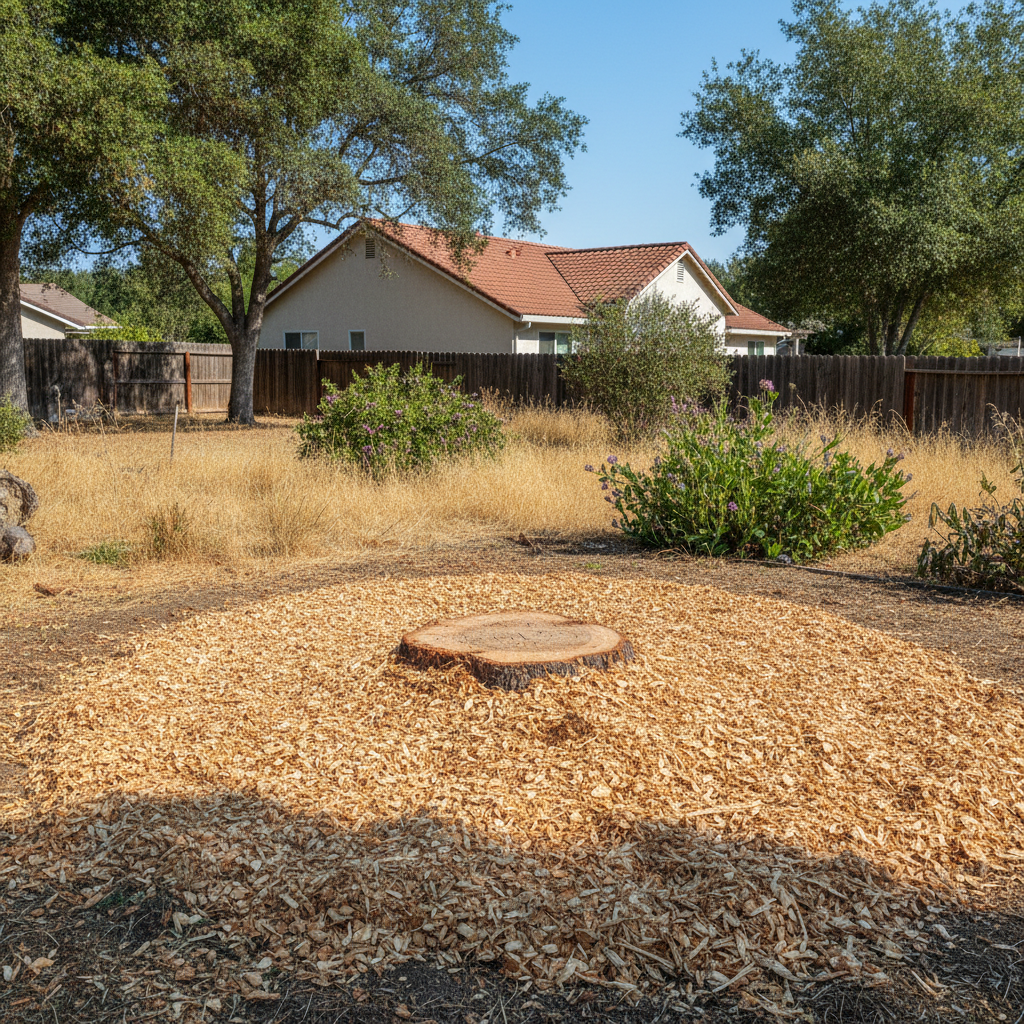
For emergency removals, our main goal is to make the situation safe and get rid of the immediate hazard. This means cutting up and removing the parts of the tree that are causing the problem. We'll definitely clean up the immediate area and haul away the debris from the sections we removed. If you want the entire tree – trunk and all branches – chipped and hauled away, that's usually part of the service. We'll talk about the scope of cleanup with you during the initial assessment so there are no surprises. Sometimes folks just want the hazard gone and are happy to deal with smaller branches themselves, but we're equipped for a full cleanup.