Alright, let's talk stumps. I get a lot of calls about them, and it's usually the same few questions popping up. Folks want to know how to get rid of them, what it costs, and if it's even worth the hassle. So, I figured I'd lay it all out here, straight from my experience working around Hayward.
Do I really need to remove that old tree stump? Can't I just leave it?
You can, but I wouldn't recommend it. Leaving a stump in your yard is like leaving a welcome mat out for pests. Termites, carpenter ants, and even some fungi just love decaying wood. Before you know it, they're not just in the stump, they're looking for new homes – maybe your fence, your deck, or even your house. Plus, it's a tripping hazard, especially if it's in a high-traffic area or gets covered by grass over time. Mowing around it is a pain, and it just looks unsightly. If you're trying to re-landscape or put in a new patio, that stump is going to be a major obstacle.
What's the difference between stump grinding and stump removal?
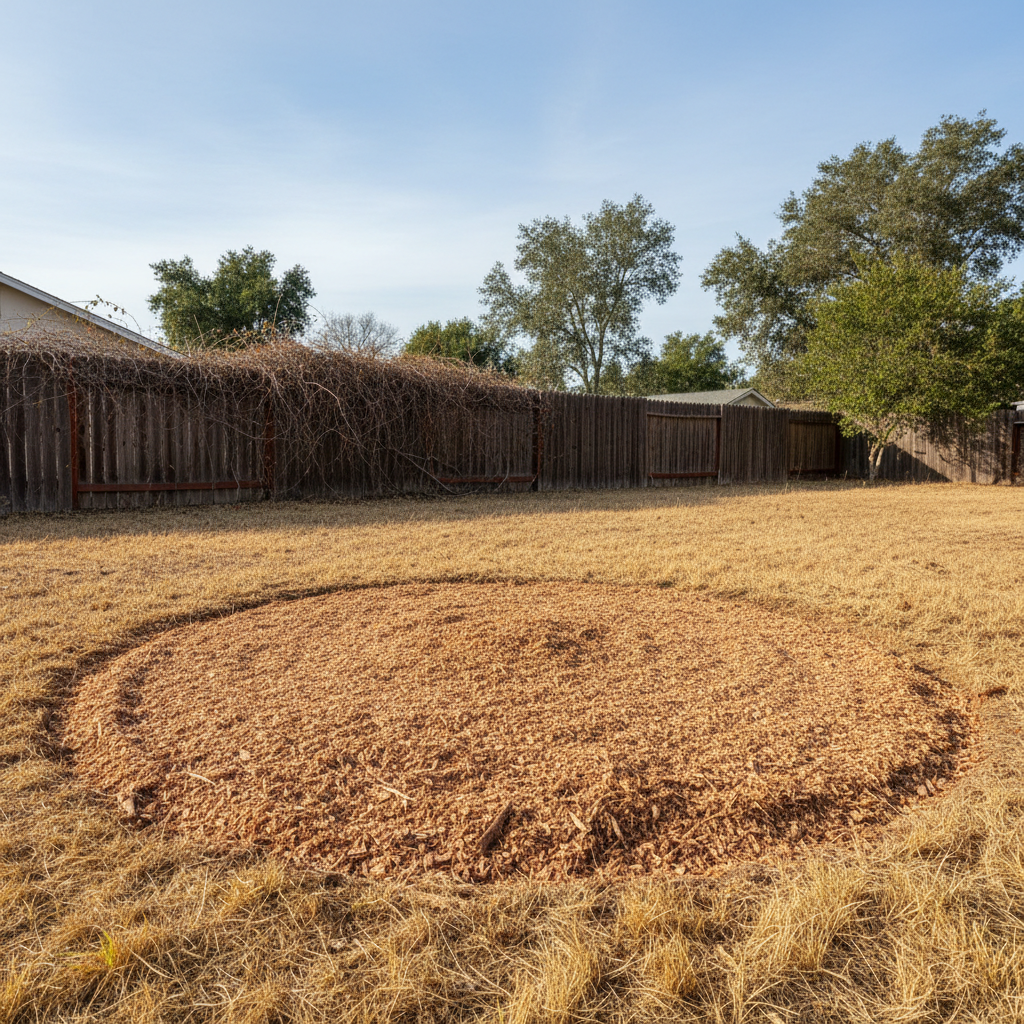
This is a big one, and it confuses a lot of people. When we talk about stump grinding, we're using a specialized machine with a rotating cutting head to chip away at the stump. We grind it down several inches below the soil line, usually 6 to 12 inches, sometimes more if you need it for planting. What you're left with is a pile of wood chips and a hole where the stump used to be. The main roots are still in the ground, but they'll eventually decay naturally.
Stump removal, on the other hand, means getting the entire stump and as much of the root system out as possible. This usually involves heavy machinery, digging, and can be a much more invasive process. It leaves a much larger hole and often requires significant backfilling and landscaping work afterward. For most homeowners, grinding is sufficient and far less disruptive.
How deep do you grind the stump?
Typically, we grind stumps 6 to 12 inches below grade. That's usually deep enough to plant grass, lay sod, or even put down a small garden bed. If you're planning on building something like a deck foundation or pouring concrete right over the spot, we might need to go deeper, sometimes 18-24 inches. Just let me know your plans, and we can figure out the best depth for your project. We've dealt with all sorts of soil here in Hayward, from the clay-heavy stuff near the hills to the sandier soil closer to the bay, and the grinding depth needs to account for what you're doing next.
What happens to the wood chips after grinding?
After we're done grinding, you'll have a pile of wood chips mixed with some soil. Most folks choose to keep these chips. They're great for mulching around other plants in your yard, or you can spread them out to help fill the hole. If you don't want them, we can haul them away for an additional fee. Just tell us what you prefer when we give you the estimate.
Can I plant a new tree in the same spot after grinding?
You can, but it's not always ideal right away. Even after grinding, there will still be some residual roots and wood chips in the soil. As these break down, they can deplete nitrogen from the soil, which isn't great for a new tree trying to establish itself. If you're set on planting in the exact spot, I'd recommend removing as many of the chips as possible, amending the soil with some fresh topsoil and compost, and giving it some time for the organic matter to fully decompose. Sometimes it's better to shift your planting spot a few feet over if possible.
How much does stump grinding cost in Hayward?
This is probably the most common question, and it's tough to give a one-size-fits-all answer without seeing the stump. The cost depends on a few things: the diameter of the stump (measured at its widest point, usually at ground level), the type of tree (some wood is much harder to grind), and its location. Is it easy to access with our grinder, or is it tucked away in a tight spot that requires more manual work? Is it near concrete or pipes? We'll also factor in the grinding depth you need and if you want the chips hauled away. For a precise quote, we really need to come out and take a look. It's a free estimate, so there's no harm in calling Classic Tree to get us out there.
Can I rent a stump grinder and do it myself?
You can, yes. Rental places have them. But I'll tell you, these machines are powerful, heavy, and can be dangerous if you don't know what you're doing. They kick up a lot of debris, and there's a real risk of hitting rocks, pipes, or even your own foot if you're not careful. Plus, they're not cheap to rent for a day, and you'll still have to deal with the chips and the cleanup. For most homeowners, the cost of hiring a professional with the right equipment and insurance is well worth the peace of mind and the saved backache.
Hopefully, that clears up some of the mystery around stump grinding. If you've got a stump that's bugging you, give us a call. We're happy to come out, take a look, and give you an honest assessment of what it'll take to get rid of it.