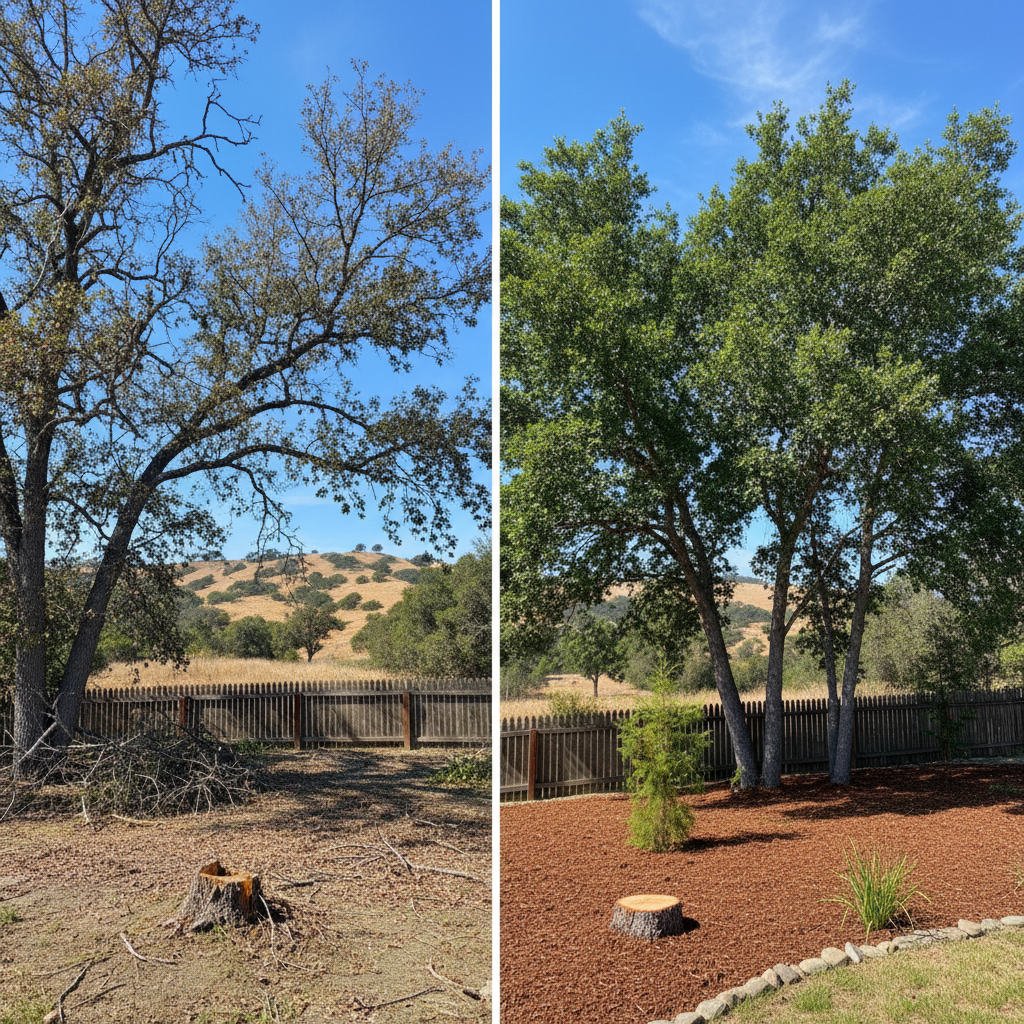
So, you've got trees on your property. That's fantastic! They really do add value, shade, and a certain kind of beauty. But how do you actually keep them healthy? Honestly, it boils down to two main ways of thinking: either you're proactive with regular care, or you're reactive — only calling someone when a problem pops up. Let's dig into what each of these means for you, right here in Hayward.
The Proactive Approach: Investing in Tree Health
This is all about planning ahead. You're not just sitting around, waiting for a branch to crash down or for a tree to start looking sickly. Instead, you're arranging for regular check-ups, getting some pruning done, and sometimes even going for specialized treatments. Think of it like taking your car in for oil changes and tune-ups; you do it *before* it breaks down on the freeway, right?
Cost
Upfront, you'll be spending money more often. You might pay for annual pruning, maybe deep root fertilization every few years, or inspections for pests and diseases. These are smaller, predictable costs, spread out over time. It can feel like more money initially because you're paying regularly, but you're actually dodging those huge, sudden expenses later on.
Durability & Long-Term Health
This is where being proactive really shines. By catching issues early, you're building a stronger, more resilient tree. Regular pruning takes care of weak or diseased branches *before* they become a hazard. And proper fertilization? That makes sure the tree gets all the nutrients it needs, which is super important in our clay-heavy Hayward soils. You're basically boosting the tree's lifespan and its ability to handle things like drought or those strong winds we sometimes get.
Maintenance
It's scheduled, predictable maintenance. You team up with a company like Classic Tree to set up a routine. Maybe it's pruning every 1-3 years, depending on the tree species and how old it is, or just an annual health check. It needs a little planning, sure, but it’s usually not urgent or stressful.
Appearance
Well-maintained trees just look better, don't they? They have a balanced canopy, healthy leaves, and a strong structure. They really boost your property's curb appeal and give you consistent shade and beauty. You avoid that look of a tree that's been severely chopped back after a big problem, or one with dead branches just hanging there.
The Reactive Approach: Waiting for Trouble
This is the